

NewsDetails
Three-Layer PE Coating for Buried Steel Pipe - Process and Inspection
author:Jinyuan time:2026-11-07 11:41:22 Click:189
Introduction
Corrosion is the main cause of premature failure in buried steel pipelines, and the external coating is the first barrier against it. Three-layer polyethylene, usually written 3PE, is the most widely specified coating for buried transmission lines because it combines the adhesion of an epoxy primer with the mechanical toughness of polyethylene. A properly applied 3PE coating resists soil stress, backfill damage and long term moisture ingress.
What Each Layer Does
The first layer is a fusion bonded epoxy primer, typically 60 to 150 micrometres thick. It bonds chemically to the blast cleaned steel and provides the actual corrosion barrier. The second layer is a copolymer adhesive that bonds the epoxy to the outer polyethylene; without it the top layer would simply peel away. The third layer is extruded high density polyethylene, usually 2.0 to 3.7 mm thick, which provides mechanical protection and a low friction surface for pulling through bores.
Each layer has a distinct failure mode. A thin primer leaves gaps that corrode, a weak adhesive causes disbondment, and a thin top layer allows penetration during handling. Coating quality therefore depends on controlling all three, not only the total thickness.
Surface Preparation
Steel is abrasive blast cleaned to Sa 2.5, with a surface profile of 40 to 100 micrometres depending on the primer specification. Blast cleanliness matters more than most operators expect: residual mill scale or salt contamination under the primer produces disbondment that only appears after months in the ground. Anchor pattern depth is checked with a comparator or profile tape, and dust and salt are removed before priming.
Application Sequence
Primer is applied by electrostatic spray immediately after blasting, before any oxidation can form. The adhesive and polyethylene are then applied by side extrusion or cross head extrusion while the primer is still reactive. The pipe rotates during application so that the layers are uniform around the circumference and along the length.
Coating is cut back at both pipe ends to leave bare steel for the field girth weld. The cut-back length is specified by the coating procedure, typically 100 to 150 mm, and the transition at the cut-back is tapered so that the field joint coating can overlap smoothly.
Inspection and Testing
Holiday testing with a high voltage detector is carried out over the full coated surface, including the cut-back taper. Thickness is measured at regular intervals with a magnetic gauge, and adhesion is checked by peel or push test on a sample. Impact resistance and indentation resistance are verified on production samples, and the coating is visually inspected for runs, blisters and embedded contamination.
The most informative test is often the peel test at the cut-back, because it evaluates primer adhesion, adhesive performance and top layer toughness in a single operation. Results are recorded per production lot and included in the coating report.
Field Joints and Repairs
Field joints are the weak point of any coated line. Heat shrink sleeves, epoxy primers with mastic fills, or flame sprayed polyethylene are used depending on the coating system and the operating temperature. The joint surface must be cleaned and the parent coating tapered and abraded so that the sleeve bonds properly.
Damage found after transport is repaired with a compatible patch system, and repairs larger than the permitted area are cut out and re-coated rather than patched. Repair records should be kept with the pipe number, because repeated patching in one area usually indicates handling problems rather than isolated impact.
Service Life and Specification
3PE coating is normally specified for operating temperatures up to about 60 to 70 degrees Celsius, with higher temperature variants available. Above that range, three-layer polypropylene is often preferred because polyethylene softens and loses mechanical strength.
For a specification, state the standard, the primer type and thickness, the adhesive thickness, the top layer thickness and material grade, the cut-back length, the holiday test voltage and the repair procedure. These values, rather than the shorthand "3PE", determine what is actually delivered.
Conclusion
Three-layer polyethylene coating works when surface preparation, primer reactivity, adhesive compatibility and top layer thickness are all controlled and verified. The inspections that matter most are the ones performed during application, because coating defects that pass the holiday test can still fail in service through disbondment. Buyers should ask for coating reports per production lot, not a single certificate for the whole order.
References
[1] API Spec 5L: Specification for Line Pipe.
[2] ISO 3183:2019 Petroleum and natural gas industries – Steel pipe for pipeline transportation systems.
[3] ASME B36.10M: Welded and Seamless Wrought Steel Pipe.
[4] ASME B16.5: Pipe Flanges and Flanged Fittings, NPS 1/2 through NPS 24.
[5] ASME B16.9: Factory-Made Wrought Buttwelding Fittings.
[6] ISO 21809-1:2018 External coatings for buried or submerged pipelines – Polyolefin coatings (3PP and 3PE).
[7] EN 10204:2004 Metallic products – Types of inspection documents.
 Recommended Products
-
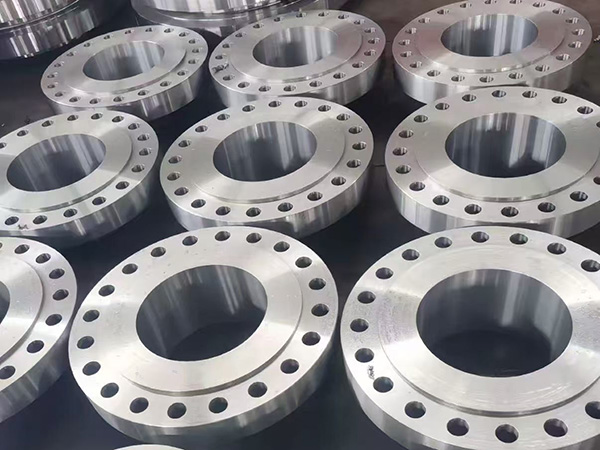
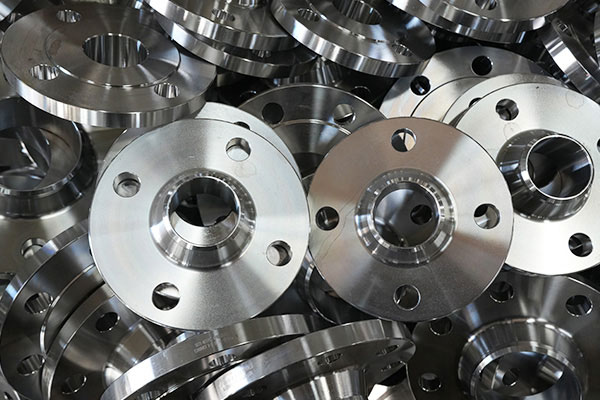
Carbon Steel Flanges for Pipe to Pipe Connections
-
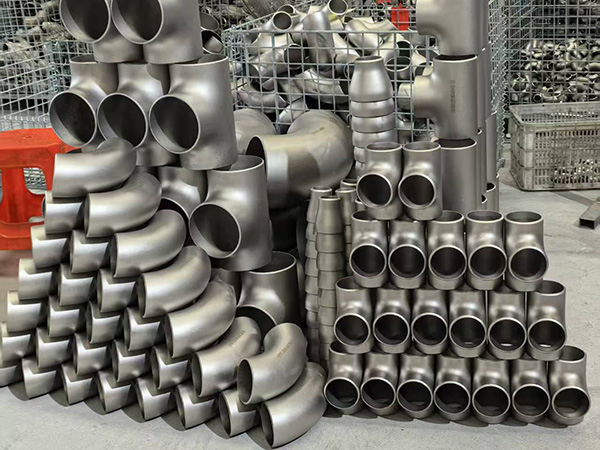
Carbon Steel Elbow in Bulk Supply for Plant Piping
-
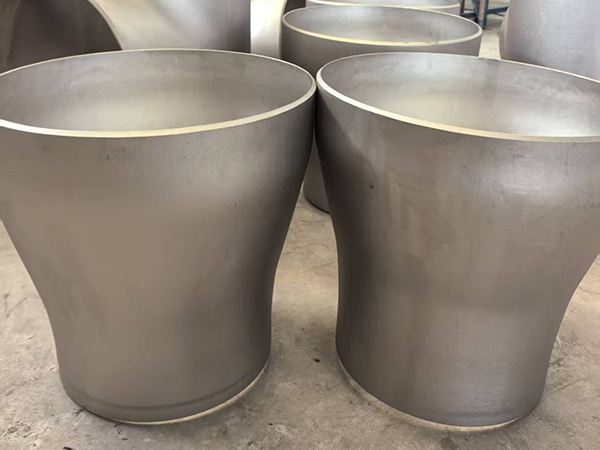
Large Diameter Concentric Reducer for Transmission
-
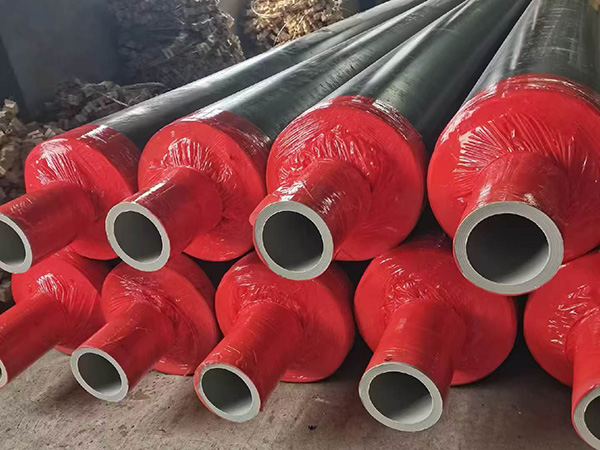
Polyurethane Foam Insulated Pipe with Protected Ends
-
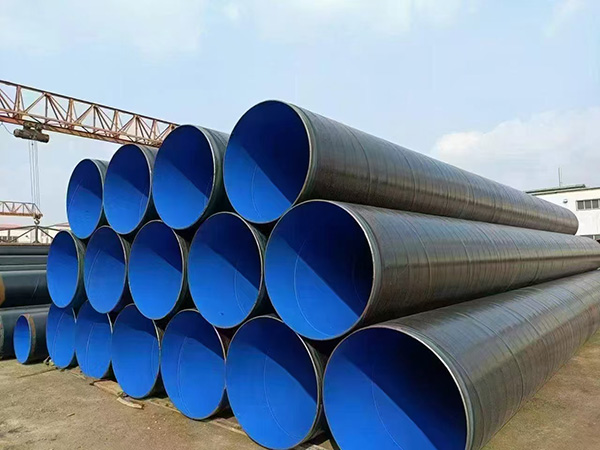
3PE Anti Corrosion Pipe with Internal Epoxy Lining
-
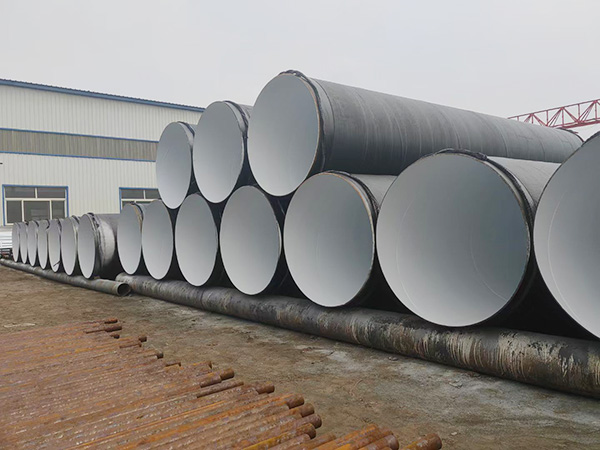
FBE Powder Coated Pipe for Underground Water Mains
Contact us
—— Contact:Manager
—— Tel:+86 18831780999
—— Email:960382820@qq.com
—— Url:https://www.jinyuanpipe.com
—— Address:Yanshan County Economic Development Zone, Cangzhou City, Hebei Province, China