

NewsDetails
Storage, Handling and Transport of Coated Steel Pipe
author:Jinyuan time:2026-11-07 11:45:28 Click:107
Introduction
Most coating damage on a pipeline occurs before the pipe is buried. Lifting with wire slings, dragging bundles across the ground, stacking without dunnage and long term open storage all produce defects that later become corrosion sites. Handling discipline is therefore part of corrosion protection, not an administrative afterthought.
Receiving Inspection
On arrival, check the pipe count against the packing list, verify markings against the certificates, and inspect the coating for holidays, gouges and embedded material. Record the location of any damage and photograph it before the pipe is moved, because responsibility for transport damage is difficult to establish afterwards.
Check the pipe ends as well. Deformed ends cause fit-up problems that are usually blamed on the fabricator rather than on the transport or the unloading method that caused them.
Lifting Practice
Coated pipe should be lifted with fabric or rubber faced slings, or with a spreader beam and padded hooks. Wire rope slings and chains cut into the coating and create notches that concentrate stress. For large diameter pipe, vacuum lifters or padded end hooks avoid contact with the coated surface altogether.
Bundles should be lifted as a unit only when they are properly strapped and the lifting points are spread far enough apart to prevent the bundle from bowing. Lifting at a single central point is a common cause of permanent deformation in long, thin walled pipe.
Stacking and Dunnage
Pipe is stacked on timber dunnage, never directly on the ground. Dunnage should be aligned vertically from layer to layer so that load passes through the stack rather than bending the pipe. For coated pipe, the contact surfaces should be padded, and the bottom layer should be restrained with wedges to prevent rolling.
Stack height depends on wall thickness and diameter. Thin walled large diameter pipe should be stacked lower and may require side supports, because the load of the upper layers can ovalise the bottom pipes over time.
Outdoor Storage and Corrosion
Pipe stored outdoors should be inclined slightly so that water drains, and the ends should be capped to prevent rainwater and small animals from entering. Coated pipe exposed to direct sun for long periods can experience coating degradation, particularly polyolefin coatings, so long term storage is better under shade or cover.
For stainless and alloy pipe, storage separates material grades and avoids carbon steel contact, which can cause contamination and subsequent corrosion. Stainless pipe should be kept clear of chlorides and never stored in contact with carbon steel offcuts.
Loading for Transport
For sea freight, pipe is loaded in bundles with steel strapping, timber separators and end protection. The securing arrangement must resist rolling and longitudinal movement during the voyage, and the ship's cargo securing manual normally governs the lashing pattern. Heavy wall pipe can be loaded in direct contact with timber beds; coated pipe needs padding at every contact point.
Containers suit shorter lengths and smaller diameters, while break bulk or flat racks suit long lengths and large diameters. The choice affects cost and also affects the amount of handling damage, since every transfer is an opportunity for impact.
Site Storage Before Installation
On site, pipe should be stored close to the installation sequence to minimise double handling, on prepared ground with drainage, and clear of vehicle traffic. Where pipe will be stored through a winter, the stack should be inspected periodically for settlement, water accumulation and coating damage.
Any damage found at this stage should be repaired before installation, because a defect covered by backfill cannot be inspected and will remain a corrosion initiation point for the life of the line.
Conclusion
Handling and storage are the cheapest form of corrosion control available. Padded lifting, correct dunnage, drainage, end caps and disciplined stacking prevent the majority of coating defects, and they cost far less than the repairs and inspection they avoid.
References
[1] API Spec 5L: Specification for Line Pipe.
[2] ISO 3183:2019 Petroleum and natural gas industries – Steel pipe for pipeline transportation systems.
[3] ASME B36.10M: Welded and Seamless Wrought Steel Pipe.
[4] ASME B16.5: Pipe Flanges and Flanged Fittings, NPS 1/2 through NPS 24.
[5] ASME B16.9: Factory-Made Wrought Buttwelding Fittings.
[6] ISO 21809-1:2018 External coatings for buried or submerged pipelines – Polyolefin coatings (3PP and 3PE).
[7] EN 10204:2004 Metallic products – Types of inspection documents.
 Recommended Products
-
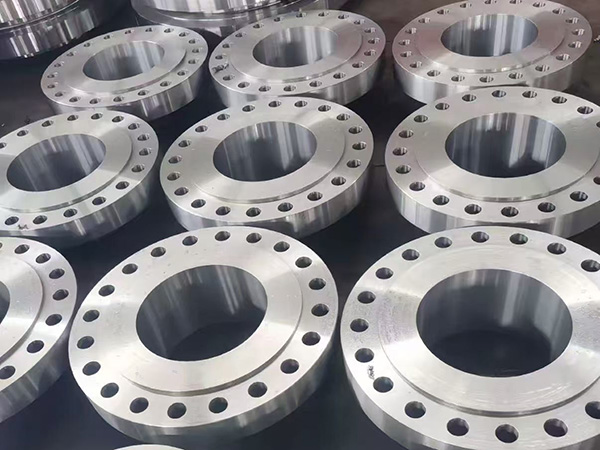
Carbon Steel Flanges for Pipe to Pipe Connections
-
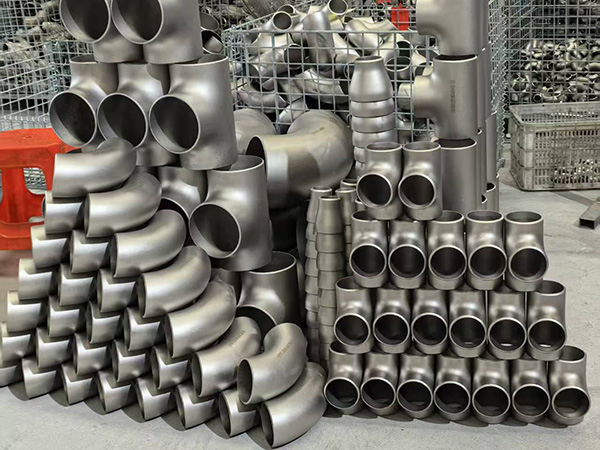
Carbon Steel Elbow in Bulk Supply for Plant Piping
-
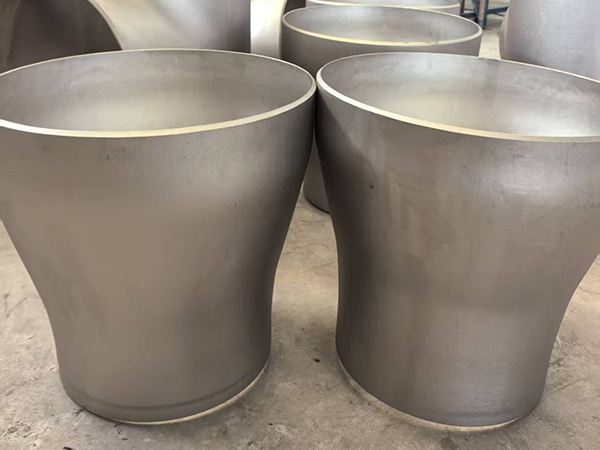
Large Diameter Concentric Reducer for Transmission
-
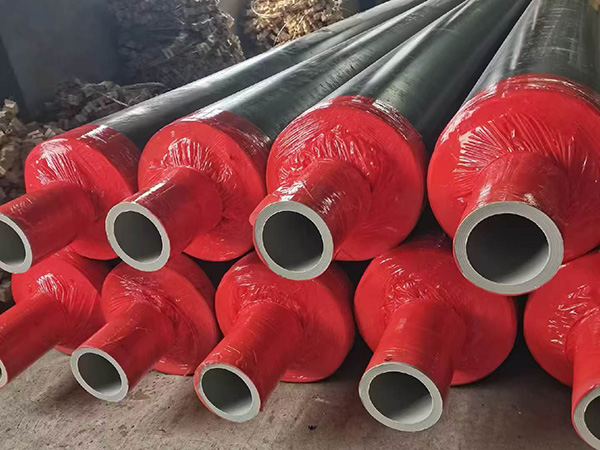
Polyurethane Foam Insulated Pipe with Protected Ends
-
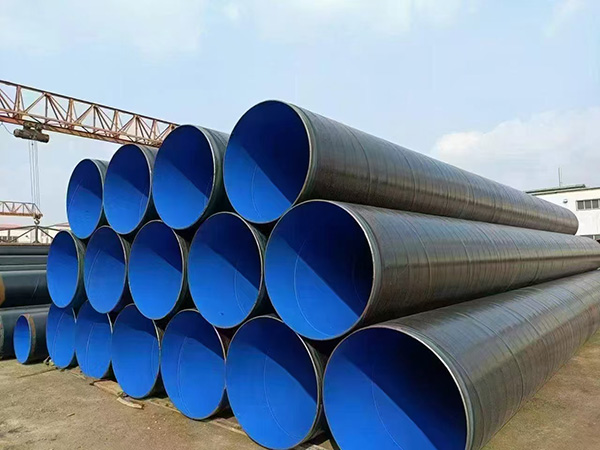
3PE Anti Corrosion Pipe with Internal Epoxy Lining
-
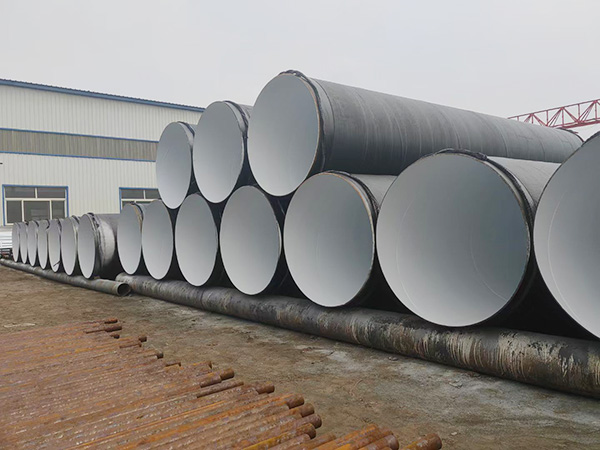
FBE Powder Coated Pipe for Underground Water Mains
Contact us
—— Contact:Manager
—— Tel:+86 18831780999
—— Email:960382820@qq.com
—— Url:https://www.jinyuanpipe.com
—— Address:Yanshan County Economic Development Zone, Cangzhou City, Hebei Province, China