

NewsDetails
What Is the Difference Between Spiral and Seamless Steel Pipe?
author:Jinyuan time:2026-11-07 11:46:36 Click:86
Short Answer
Spiral pipe is made by forming a steel coil into a helix and welding the seam, while seamless pipe is made by piercing and rolling a solid billet so that it has no weld at all. Spiral pipe is available in much larger diameters and is generally cheaper per tonne; seamless pipe is available in smaller diameters with heavier walls and is preferred where the absence of a seam matters.
How the Two Are Produced
Seamless production starts with a heated billet that is pierced, then rolled and stretched over a mandrel until the required diameter and wall are reached. The result is a homogeneous wall with no longitudinal weld, and the process naturally produces good concentricity.
Spiral production starts with coil that is uncoiled, edge milled and formed into a helix, with the seam welded inside and outside by submerged arc welding. Because the strip is narrow relative to the pipe diameter, one coil width can serve a range of large diameters by changing the forming angle.
Size Range and Availability
Seamless pipe is practical up to roughly 660 mm outside diameter, and the cost rises steeply beyond about 400 mm because the starting billet becomes very large. Spiral pipe covers roughly 219 mm to 3620 mm and is the normal choice above 800 mm, where seamless simply is not produced.
At the small end, seamless dominates below about 100 mm, particularly for high pressure tubing, instrument lines and boiler applications where heavy walls and precise dimensions are needed.
Pressure and Temperature Performance
Seamless pipe has no seam to inspect and no weld heat affected zone, which is why it is traditionally chosen for high pressure, high temperature and cyclic service. That said, a spiral seam that is properly welded and fully inspected can meet the same design pressure, and modern line pipe standards accept spiral pipe for gas transmission at high design pressure.
The practical difference is therefore one of confidence and inspection capability rather than an absolute limit. Where the buyer can verify seam quality, spiral pipe is acceptable; where verification is limited, the seamless option removes one failure mode.
Dimensional Characteristics
Seamless pipe usually has better wall concentricity, which matters when the pipe will be machined, threaded or rolled. Spiral pipe can show slight diameter variation near the seam and has a seam that runs at an angle, which is visible but not a defect. End roundness is controlled by sizing, and for large diameter lines the end roundness is what governs field fit-up.
Cost Comparison
Per tonne, spiral pipe is generally less expensive in the same size and grade, and the gap widens as diameter increases. Part of the saving comes from using coil rather than plate or billet, and part from the higher productivity of continuous forming. Seamless pipe carries a premium that reflects energy consumption and the smaller number of mills able to produce large sizes.
Total cost also includes inspection, coating and transport. A spiral pipe with a longer seam requires more weld inspection per tonne, which narrows the commercial advantage in specifications with 100 percent weld testing.
Which Should You Choose?
Choose spiral pipe for large diameter water transmission, piling, slurry lines, drainage and any application above about 800 mm where seamless is unavailable. Choose seamless pipe for high pressure small bore lines, boiler and heat exchanger tubing, hydraulic systems and machined components, and for services where the specification prohibits a longitudinal weld.
Hebei Jinyuan Pipeline Equipment Co., Ltd. produces both spiral welded and straight seam welded pipe and supplies seamless pipe for smaller sizes, so the recommendation can follow the duty rather than the production line.
References
[1] API Spec 5L: Specification for Line Pipe.
[2] ISO 3183:2019 Petroleum and natural gas industries – Steel pipe for pipeline transportation systems.
[3] ASME B36.10M: Welded and Seamless Wrought Steel Pipe.
[4] ASME B16.5: Pipe Flanges and Flanged Fittings, NPS 1/2 through NPS 24.
[5] ASME B16.9: Factory-Made Wrought Buttwelding Fittings.
[6] ISO 21809-1:2018 External coatings for buried or submerged pipelines – Polyolefin coatings (3PP and 3PE).
[7] EN 10204:2004 Metallic products – Types of inspection documents.
 Recommended Products
-
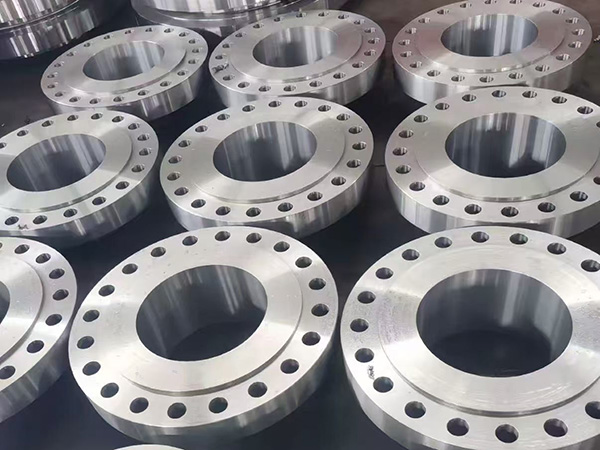
Carbon Steel Flanges for Pipe to Pipe Connections
-
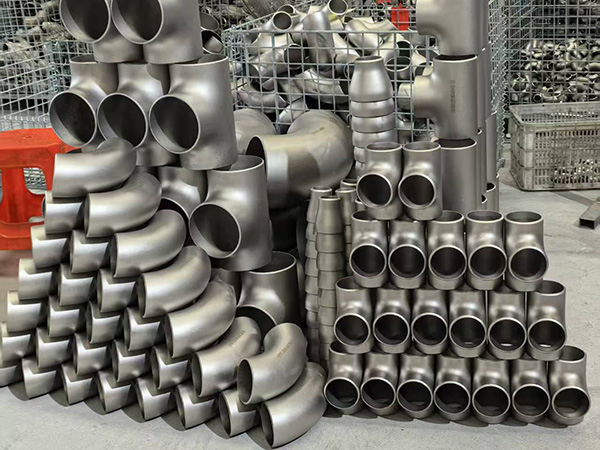
Carbon Steel Elbow in Bulk Supply for Plant Piping
-
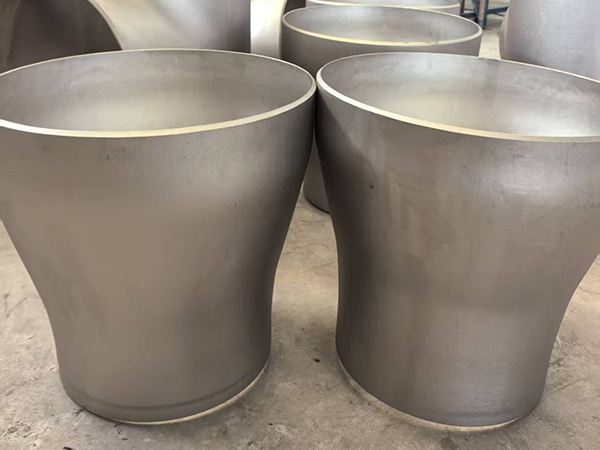
Large Diameter Concentric Reducer for Transmission
-
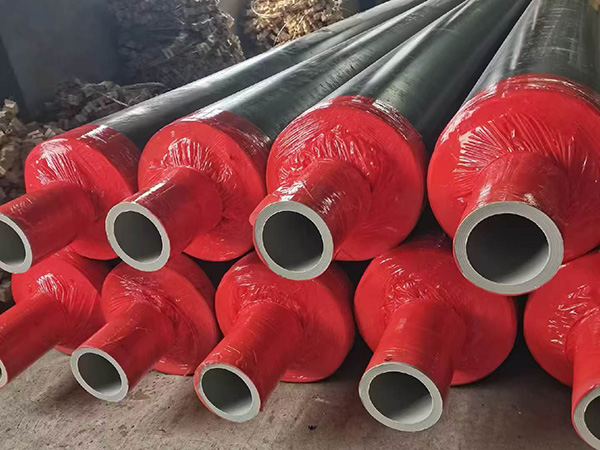
Polyurethane Foam Insulated Pipe with Protected Ends
-
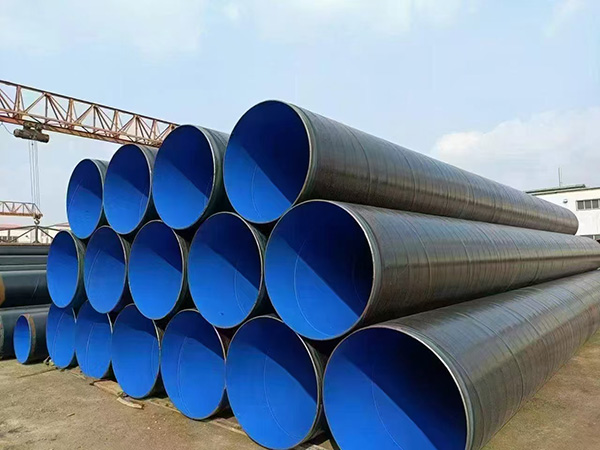
3PE Anti Corrosion Pipe with Internal Epoxy Lining
-
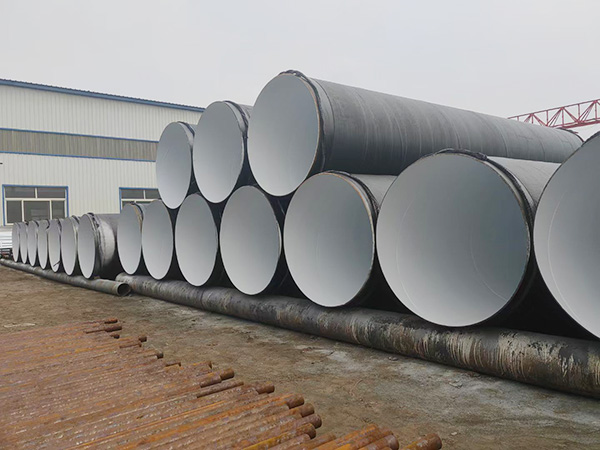
FBE Powder Coated Pipe for Underground Water Mains
Contact us
—— Contact:Manager
—— Tel:+86 18831780999
—— Email:960382820@qq.com
—— Url:https://www.jinyuanpipe.com
—— Address:Yanshan County Economic Development Zone, Cangzhou City, Hebei Province, China