

NewsDetails
What Is the Difference Between Concentric and Eccentric Reducers?
author:Jinyuan time:2026-11-07 11:48:35 Click:173
Short Answer
A concentric reducer tapers symmetrically around the pipe axis, while an eccentric reducer has one side flat so that the bottom or top of the line continues straight. Concentric reducers are used in vertical lines and in lines that stay full; eccentric reducers are used in horizontal lines where complete drainage or the avoidance of trapped gas matters.
Geometry and Flow Behaviour
In a concentric reducer the flow accelerates uniformly toward the smaller end, which keeps velocity distribution symmetrical and produces a relatively predictable pressure loss. The symmetrical taper suits vertical runs, pump discharge lines and any location where the pipe must remain centred on a support or a nozzle.
An eccentric reducer keeps one side of the bore in line with the pipe. This breaks the symmetry of the flow and can produce a slight swirling or stratified pattern, but it solves two practical problems that a concentric reducer cannot.
Orientation in Liquid Lines
In horizontal liquid lines, the flat side of an eccentric reducer is placed at the bottom when the intention is to avoid trapping gas, and at the top when the intention is to allow complete drainage. The two are opposite requirements, and confusing them is a frequent installation error.
On pump suction lines the usual arrangement is flat side up, so that any vapour pocket cannot accumulate at the high point and be drawn into the pump. On lines that must be drained for maintenance or for winter shutdown, the flat side down allows the last of the liquid to run out.
Orientation in Gas Lines
In horizontal gas lines the flat side is normally placed at the bottom so that condensate can drain along the flat surface rather than collecting in a sump behind the reducer. Where a low point drain is provided, the reducer orientation and the drain position must be considered together.
Vertical Lines
Vertical lines almost always use concentric reducers, because there is no "top" or "bottom" flat side to orient and because the symmetrical taper keeps the line centred. Using an eccentric reducer in a vertical line is possible but adds nothing and complicates support design.
Installation Errors to Avoid
The most common errors are fitting the reducer the wrong way round, orienting an eccentric reducer with the flat side at the side rather than top or bottom, and mismatching the reducer wall thickness with the pipe so that an internal step remains. Each of these produces a symptom that is investigated as an operational problem rather than as an installation defect.
Wrong orientation at a pump suction produces noise, vibration and cavitation that appear only at high flow, which makes diagnosis slow and expensive.
Specifying a Reducer
State the standard, the large and small sizes, the wall thickness or schedule, the material grade, the type of reducer and, for eccentric reducers, the required orientation. State whether the reducer is seamless or welded, since the production method affects both cost and pressure capability.
Hebei Jinyuan Pipeline Equipment Co., Ltd. supplies concentric and eccentric reducers to ASME B16.9 in carbon, stainless and alloy steels, with dimensions and wall thickness matched to the pipe schedule of the same project.
Effect on Supports and Instrumentation
Because an eccentric reducer keeps one side of the bore straight, the change in centre line must be allowed for in support design and in the position of instruments. A level transmitter or a pressure tapping located immediately upstream of the reducer can read differently depending on which side is flat, and on pump suction lines the tapping should be placed where the flow is stable rather than in the disturbed zone behind the taper.
Conclusion
The decision between concentric and eccentric is decided by drainage, venting and pump suction requirements rather than by cost. Mark the orientation on the drawing, verify it during installation, and most of the associated operational problems disappear.
References
[1] API Spec 5L: Specification for Line Pipe.
[2] ISO 3183:2019 Petroleum and natural gas industries – Steel pipe for pipeline transportation systems.
[3] ASME B36.10M: Welded and Seamless Wrought Steel Pipe.
[4] ASME B16.5: Pipe Flanges and Flanged Fittings, NPS 1/2 through NPS 24.
[5] ASME B16.9: Factory-Made Wrought Buttwelding Fittings.
[6] ISO 21809-1:2018 External coatings for buried or submerged pipelines – Polyolefin coatings (3PP and 3PE).
[7] EN 10204:2004 Metallic products – Types of inspection documents.
 Recommended Products
-
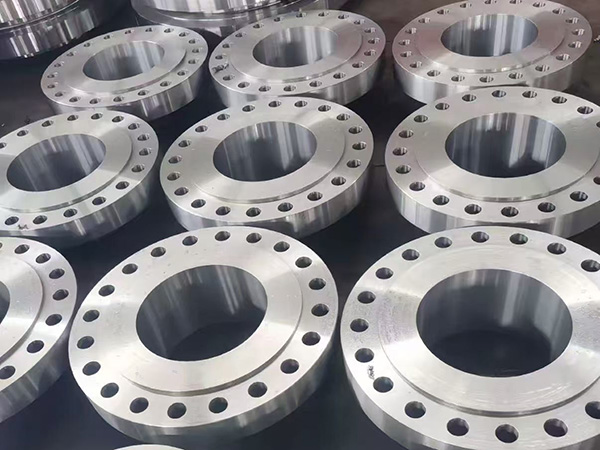
Carbon Steel Flanges for Pipe to Pipe Connections
-
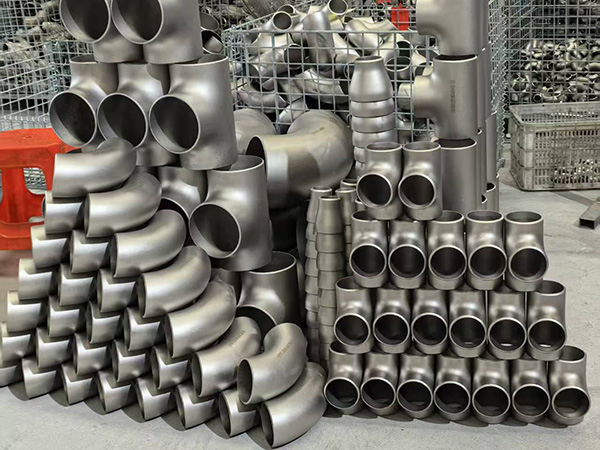
Carbon Steel Elbow in Bulk Supply for Plant Piping
-
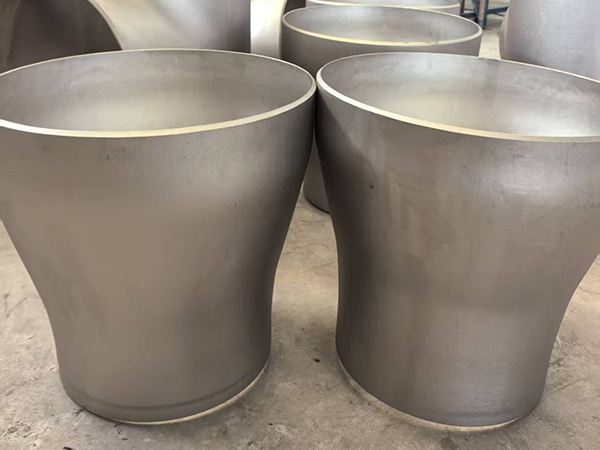
Large Diameter Concentric Reducer for Transmission
-
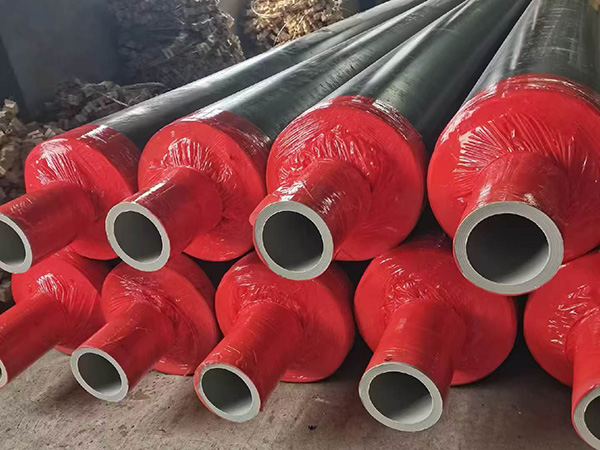
Polyurethane Foam Insulated Pipe with Protected Ends
-
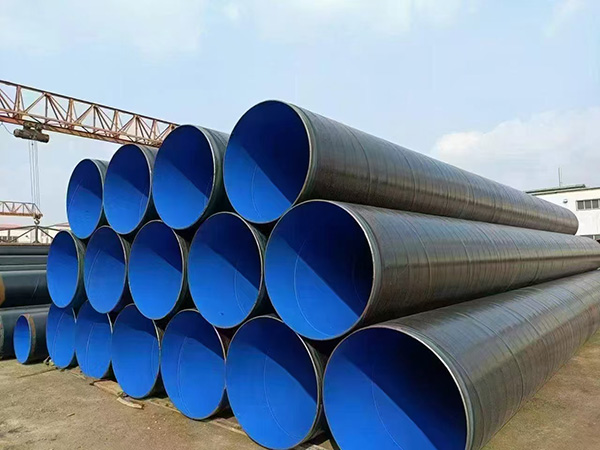
3PE Anti Corrosion Pipe with Internal Epoxy Lining
-
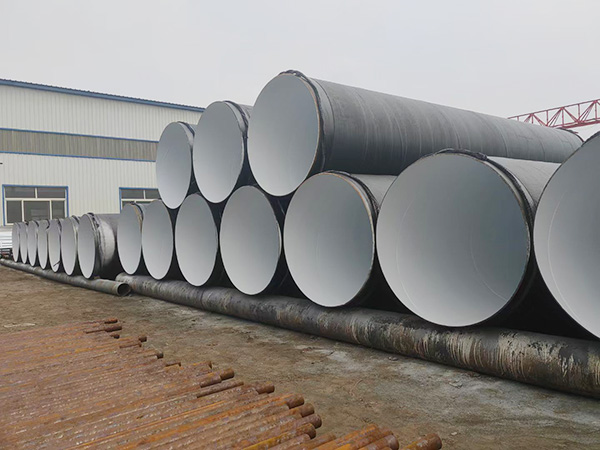
FBE Powder Coated Pipe for Underground Water Mains
Contact us
—— Contact:Manager
—— Tel:+86 18831780999
—— Email:960382820@qq.com
—— Url:https://www.jinyuanpipe.com
—— Address:Yanshan County Economic Development Zone, Cangzhou City, Hebei Province, China