

NewsDetails
What Does API 5L X52 Mean and When Should It Be Used?
author:Jinyuan time:2026-11-07 11:46:45 Click:157
Short Answer
X52 is an API 5L line pipe grade with a minimum specified yield strength of 52,000 psi, about 360 MPa, and a minimum tensile strength of 66,000 psi, about 455 MPa. It sits between Grade B and the higher strength grades such as X60 and X65, and it is one of the most widely used grades for oil, gas and water transmission lines of moderate to high pressure.
What the Number Means
The number after the X is the minimum yield strength expressed in thousands of psi. X42 is 42,000 psi, X52 is 52,000 psi, X60 is 60,000 psi and so on. The designation defines minimum strength only; it does not by itself define toughness, chemistry limits, dimensional tolerance or inspection level.
Those additional requirements come from the product specification level. PSL2 adds mandatory chemical limits, tensile testing, impact testing and tighter tolerances, and most X52 line pipe ordered for transmission service is PSL2.
Why X52 Is So Common
X52 offers a useful balance. It is strong enough to allow reasonable wall thicknesses at large diameter and high design pressure, and it remains readily weldable with conventional field procedures. Mills produce it in volume, so availability and lead time are better than for the higher grades, and the price premium over Grade B is modest.
For many water and heating mains, X52 with a moderate wall is a practical way to reduce steel weight without moving to a grade that requires tighter welding controls.
How It Compares With Grade B and X60
Grade B at 35,000 psi minimum yield is the traditional general purpose grade. It is easy to weld and cheap, but it requires a heavier wall for the same pressure, which increases weight and handling cost at large diameter.
X60 at 60,000 psi allows a further reduction in wall, but it demands tighter control of carbon equivalent and heat input, and it is less tolerant of field welding variability. X52 is often the point where the savings from reduced wall are still larger than the additional welding cost.
Typical Applications
X52 is used for oil and gas gathering and transmission lines, high pressure water mains, district heating networks, slurry pipelines and general industrial piping. It is also used for structural tube and piling where higher strength allows a lighter section.
For sour service, X52 is often selected because hardness control and chemistry restrictions are easier to meet than at higher strength levels, provided the specification includes the necessary limits on carbon equivalent, sulphur and hardness.
Specification Points to Watch
State the product specification level, the impact test temperature and energy, the carbon equivalent limit and the inspection document type. For welded pipe, add the weld inspection method and coverage. These four items decide most of the difference between two offers that both say X52.
Also confirm whether the pipe is seamless, ERW, LSAW or spiral, because the production route affects dimensional tolerance, seam inspection and cost even at the same grade.
Common Misunderstandings
X52 does not mean the pipe will be delivered at exactly 52,000 psi yield; actual values are higher and the standard caps the upper limit. X52 does not automatically include impact testing unless PSL2 or a supplementary requirement is specified. And X52 is not interchangeable with a structural grade of similar strength, because the pipeline standard controls chemistry and testing differently.
Conclusion
X52 is a mid-range line pipe grade that combines adequate strength with good weldability and wide availability. It is the economical choice for many transmission lines, provided the order states the specification level, toughness and inspection requirements rather than only the grade designation.
References
[1] API Spec 5L: Specification for Line Pipe.
[2] ISO 3183:2019 Petroleum and natural gas industries – Steel pipe for pipeline transportation systems.
[3] ASME B36.10M: Welded and Seamless Wrought Steel Pipe.
[4] ASME B16.5: Pipe Flanges and Flanged Fittings, NPS 1/2 through NPS 24.
[5] ASME B16.9: Factory-Made Wrought Buttwelding Fittings.
[6] ISO 21809-1:2018 External coatings for buried or submerged pipelines – Polyolefin coatings (3PP and 3PE).
[7] EN 10204:2004 Metallic products – Types of inspection documents.
 Recommended Products
-
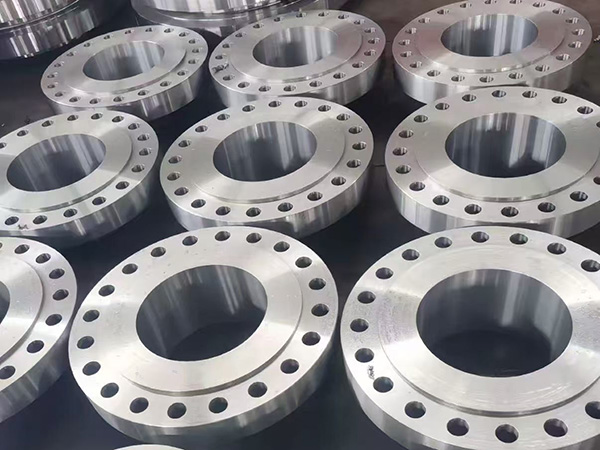
Carbon Steel Flanges for Pipe to Pipe Connections
-
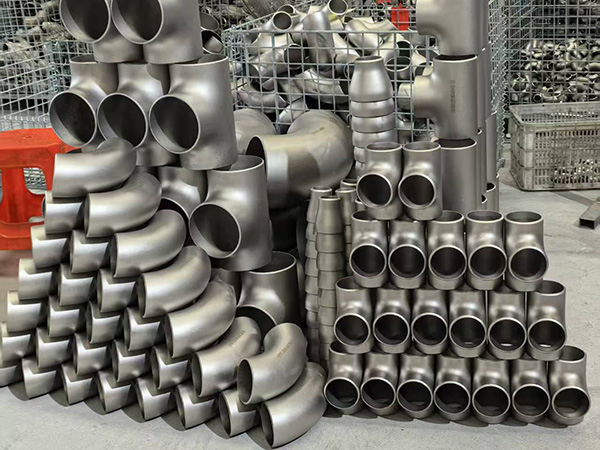
Carbon Steel Elbow in Bulk Supply for Plant Piping
-
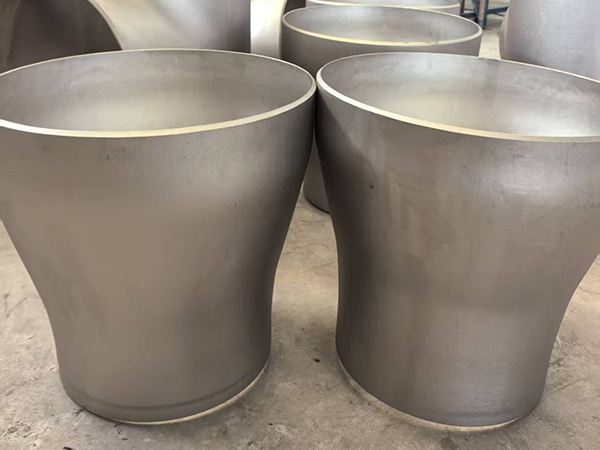
Large Diameter Concentric Reducer for Transmission
-
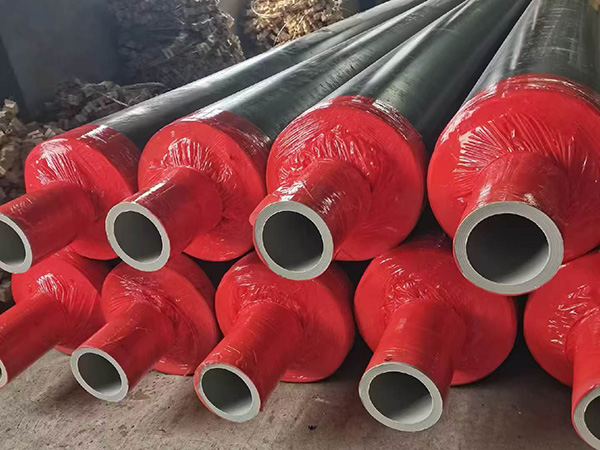
Polyurethane Foam Insulated Pipe with Protected Ends
-
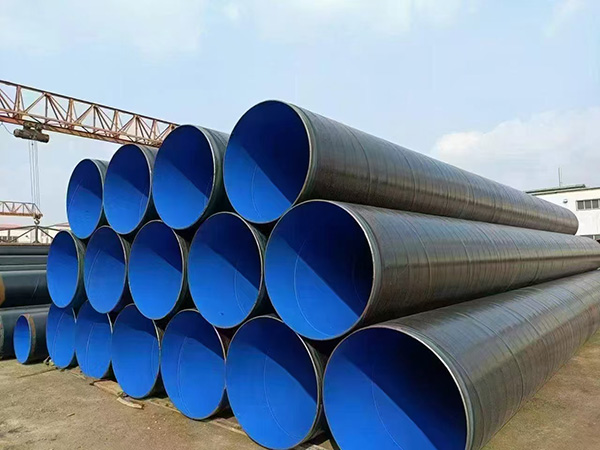
3PE Anti Corrosion Pipe with Internal Epoxy Lining
-
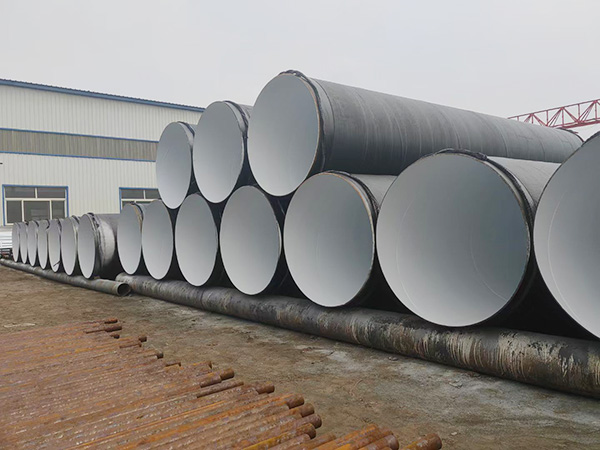
FBE Powder Coated Pipe for Underground Water Mains
Contact us
—— Contact:Manager
—— Tel:+86 18831780999
—— Email:960382820@qq.com
—— Url:https://www.jinyuanpipe.com
—— Address:Yanshan County Economic Development Zone, Cangzhou City, Hebei Province, China