

NewsDetails
Slip-On or Weld Neck Flange - Which Should You Specify?
author:Jinyuan time:2026-11-07 11:47:12 Click:53
Short Answer
Use a weld neck flange for high pressure, high temperature, cyclic or hazardous service, and use a slip-on flange for low pressure utility service where cost and ease of alignment matter more than fatigue resistance. The difference is not cosmetic: a weld neck flange transfers load smoothly into the pipe through a butt weld, while a slip-on flange concentrates stress at two fillet welds.
How Each Type Is Attached
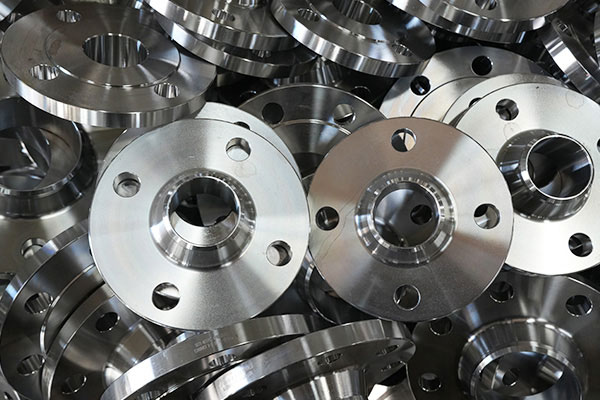
A weld neck flange has a tapered hub that matches the pipe wall thickness and is joined with a single butt weld at the end. Because the bore matches the pipe, there is no internal step, and the weld can be radiographed if required.
A slip-on flange slides over the pipe and receives a fillet weld at the hub outside and a second weld at the bore inside. Fit-up is simple, pipe length tolerance is more forgiving, and the flange can be positioned without precise end preparation.
Strength and Fatigue
The butt weld of a weld neck flange is a full penetration joint, and the hub gradually increases thickness toward the flange, which reduces the stress concentration at the transition. This is why weld neck flanges are preferred for cyclic pressure, vibration, thermal cycling and high pressure service.
A slip-on flange has two fillet welds and an abrupt change of section. Under cyclic loading, fatigue cracks can initiate at the toe of the weld, and the joint cannot be fully examined by radiography. For static low pressure service, this is acceptable; for reciprocating equipment or frequent thermal cycles, it is not.
Cost and Installation
Slip-on flanges are cheaper to buy and cheaper to install, because the bore does not need to match the pipe wall precisely and the pipe does not need a machined bevel. On large quantities of low pressure water or utility piping, the saving is significant.
Weld neck flanges cost more and require the flange bore to match the pipe schedule, so the pipe and flange must be ordered as a pair. The additional cost is small compared with the cost of reworking a leaking or cracked joint in service.
Alignment and Bolt Hole Orientation
Slip-on flanges allow the flange to be rotated after the pipe is in place, which helps align bolt holes. Weld neck flanges must be aligned before welding, using a level and a flange square, and the bolt holes must be oriented to the mating flange. Both types require the flange face to be square to the pipe axis, which is checked with a square or a dial gauge.
Where Each Is Appropriate
Weld neck flanges suit high pressure steam, hydrocarbon service, compressor and pump connections, lines subject to vibration, and any joint that will be radiographed. Slip-on flanges suit cooling water, low pressure air, drainage, utility water and general building services, and they are common in stainless systems where a stub end and lap joint provides a similar benefit.
Other Options to Consider
For small bore high pressure lines, socket weld flanges provide a strong joint without a butt preparation. For lines that need flange rotation, lap joint flanges with stub ends are a better answer than a slip-on. For high pressure and high temperature joints, ring type joint facings may be required regardless of the flange type.
Conclusion
The choice follows the duty. If the joint will see pressure cycles, temperature cycles or vibration, specify weld neck. If it is a static low pressure connection and the budget is tight, slip-on is adequate, provided the welds are made correctly and the facing matches the mating flange.
References
[1] API Spec 5L: Specification for Line Pipe.
[2] ISO 3183:2019 Petroleum and natural gas industries – Steel pipe for pipeline transportation systems.
[3] ASME B36.10M: Welded and Seamless Wrought Steel Pipe.
[4] ASME B16.5: Pipe Flanges and Flanged Fittings, NPS 1/2 through NPS 24.
[5] ASME B16.9: Factory-Made Wrought Buttwelding Fittings.
[6] ISO 21809-1:2018 External coatings for buried or submerged pipelines – Polyolefin coatings (3PP and 3PE).
[7] EN 10204:2004 Metallic products – Types of inspection documents.
 Recommended Products
-
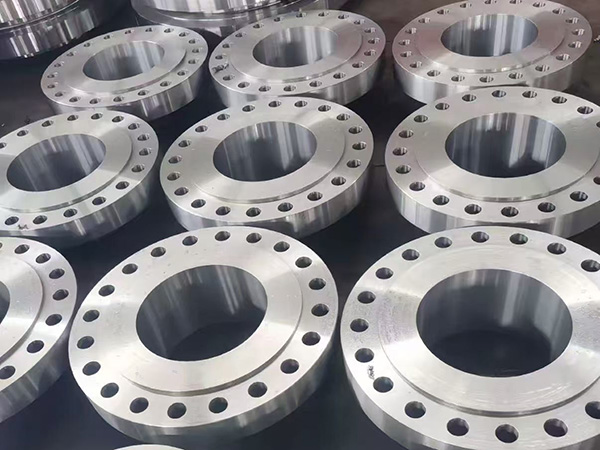
Carbon Steel Flanges for Pipe to Pipe Connections
-
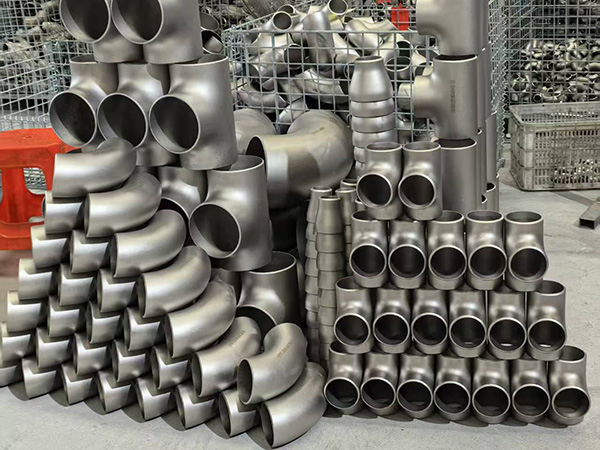
Carbon Steel Elbow in Bulk Supply for Plant Piping
-
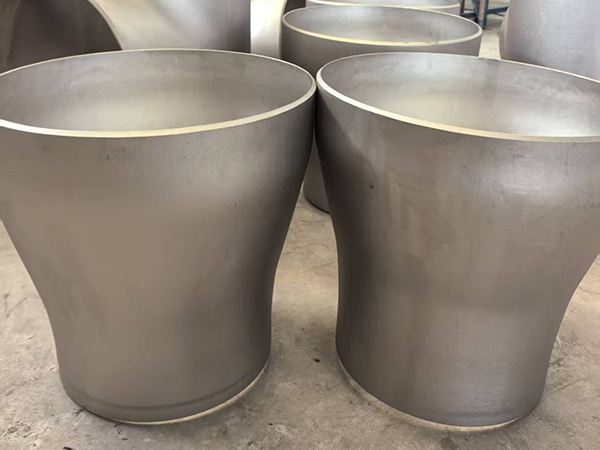
Large Diameter Concentric Reducer for Transmission
-
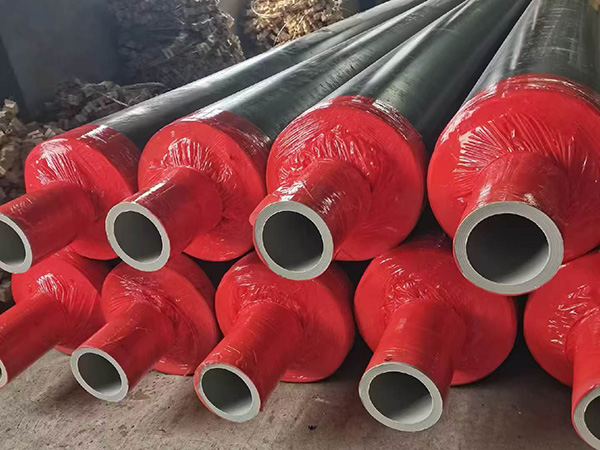
Polyurethane Foam Insulated Pipe with Protected Ends
-
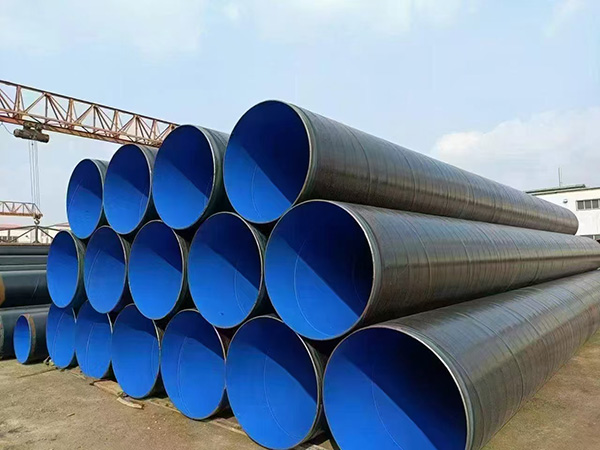
3PE Anti Corrosion Pipe with Internal Epoxy Lining
-
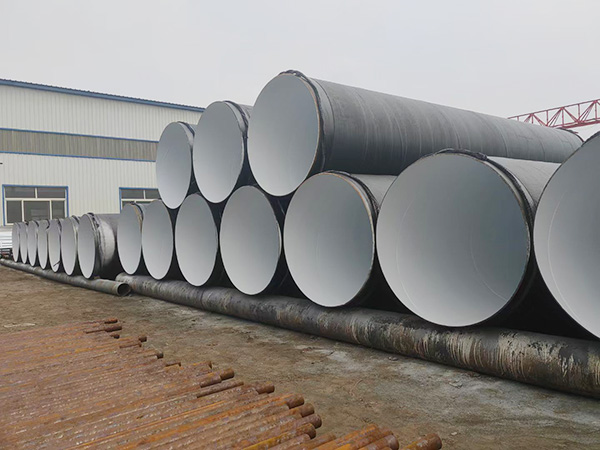
FBE Powder Coated Pipe for Underground Water Mains
Contact us
—— Contact:Manager
—— Tel:+86 18831780999
—— Email:960382820@qq.com
—— Url:https://www.jinyuanpipe.com
—— Address:Yanshan County Economic Development Zone, Cangzhou City, Hebei Province, China