

NewsDetails
Hydrostatic or Pneumatic Testing - Which Is Required for Pipe?
author:Jinyuan time:2026-11-07 11:48:53 Click:200
Short Answer
Hydrostatic testing with water is the default requirement for pipe and pipeline pressure testing, because water is nearly incompressible and stores very little energy. Pneumatic testing with air or nitrogen is used only where water is impractical, such as in cold climates, in lines where residual moisture is unacceptable, or where the test water cannot be disposed of safely, and it requires much stricter safety controls.
Why Water Is Preferred
The energy stored in a compressed gas is many times that stored in water at the same pressure. If a joint fails during a hydrostatic test, the pressure drops almost instantly and the release is limited. If a joint fails during a pneumatic test, the stored energy is released as an explosion, and fragments can travel a considerable distance.
Water is also easy to obtain, easy to observe for leaks, and it produces a clear indication of permanent deformation when the pipe is measured before and after the test.
When Pneumatic Testing Is Used
Pneumatic testing may be specified for gas pipelines in remote or cold regions, for instrument air systems, for lines that must remain dry, and for situations where the test water would be difficult to obtain or to dispose of in compliance with environmental requirements. It is also used for small volume systems where the stored energy is inherently limited.
Safety Requirements for Pneumatic Testing
Pneumatic testing requires a written procedure, an exclusion zone, remote monitoring of pressure, and staged pressurisation with hold points. Personnel must not approach the test section while it is pressurised, and the test should be conducted with the minimum number of people present. These controls are not optional; they are the reason pneumatic testing is regulated more heavily than hydrostatic testing.
Test Pressure and Hold Time
Test pressure is normally derived from the design pressure or from a defined percentage of the specified minimum yield strength, capped so that the hoop stress remains within the permitted limit. Hold time is typically a few seconds for mill testing of line pipe and longer for installed pipeline sections, where stabilisation of temperature and pressure is part of the procedure.
The pressure and hold time must be stated in the specification, not left to the inspector's judgement, because a test that is not defined cannot be verified.
What the Test Does Not Prove
A pressure test proves that the pipe contains pressure at the test value for the test duration. It does not prove that the weld is free of planar defects, because a defect may be tight and stable at test pressure and grow later in service. This is why pressure testing is combined with nondestructive testing of the seam rather than treated as a substitute for it.
Documentation
Each test should be recorded with the pipe or section identification, test medium, test pressure, hold time, ambient and water temperature, gauge identification and result. For installed pipelines, the record also includes the test section boundaries and the names of the witnessing parties.
Choosing the Medium in Practice
In practice the decision is made early in the project, because the test medium affects temporary equipment, water sourcing, disposal permits and the construction sequence. A line tested with water needs a filling plan, air venting at high points, a settling period for temperature stabilisation, and a dewatering and drying procedure if the medium is later to be gas. A line tested with air needs compressors, a pressure let-down arrangement and a formal exclusion zone, which is difficult in congested plant areas.
Where both are technically acceptable, water is normally chosen because it is cheaper, safer and easier to witness. Where water is unsuitable, the pneumatic procedure should be written by the party that will perform it, reviewed before mobilisation, and approved by the pipeline owner.
Conclusion
Water is the correct default medium for pressure testing pipe. Air or nitrogen is acceptable only where there is a specific reason and where the safety procedure matches the stored energy involved. In both cases, the test is only meaningful if the pressure, hold time, medium and acceptance criteria are defined in advance and recorded afterwards.
References
[1] API Spec 5L: Specification for Line Pipe.
[2] ISO 3183:2019 Petroleum and natural gas industries – Steel pipe for pipeline transportation systems.
[3] ASME B36.10M: Welded and Seamless Wrought Steel Pipe.
[4] ASME B16.5: Pipe Flanges and Flanged Fittings, NPS 1/2 through NPS 24.
[5] ASME B16.9: Factory-Made Wrought Buttwelding Fittings.
[6] ISO 21809-1:2018 External coatings for buried or submerged pipelines – Polyolefin coatings (3PP and 3PE).
[7] EN 10204:2004 Metallic products – Types of inspection documents.
 Recommended Products
-
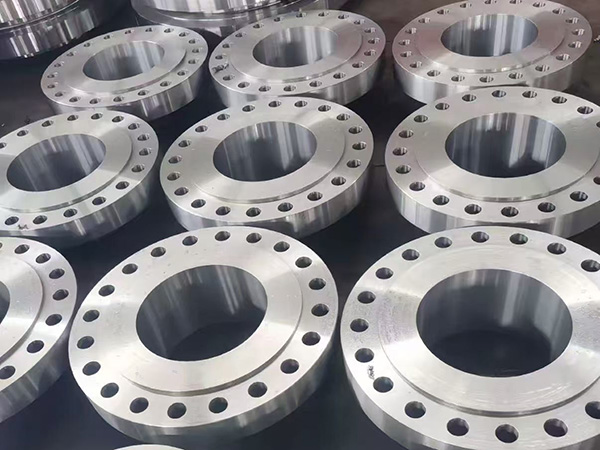
Carbon Steel Flanges for Pipe to Pipe Connections
-
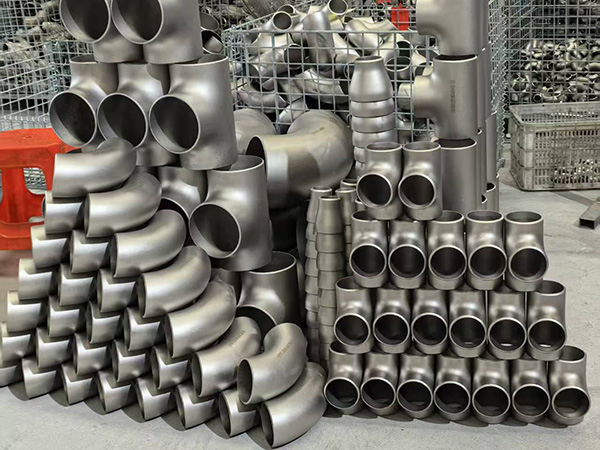
Carbon Steel Elbow in Bulk Supply for Plant Piping
-
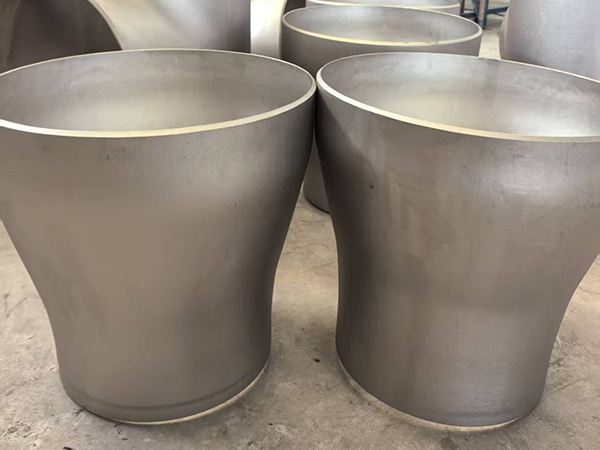
Large Diameter Concentric Reducer for Transmission
-
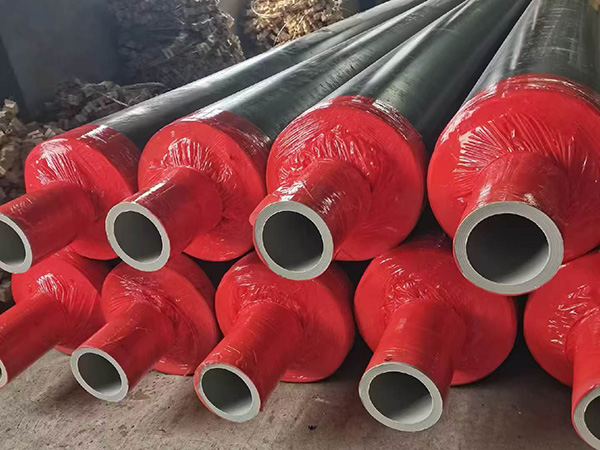
Polyurethane Foam Insulated Pipe with Protected Ends
-
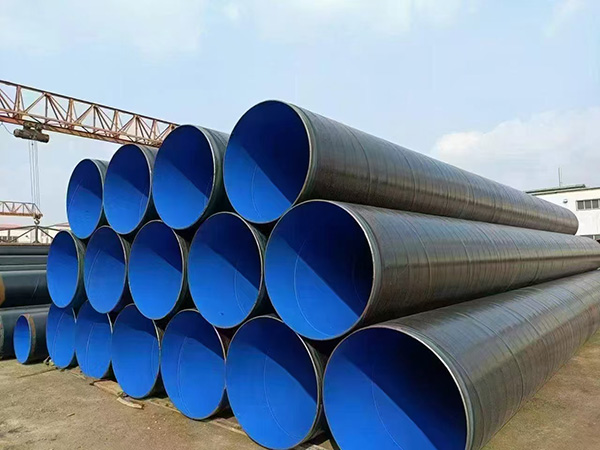
3PE Anti Corrosion Pipe with Internal Epoxy Lining
-
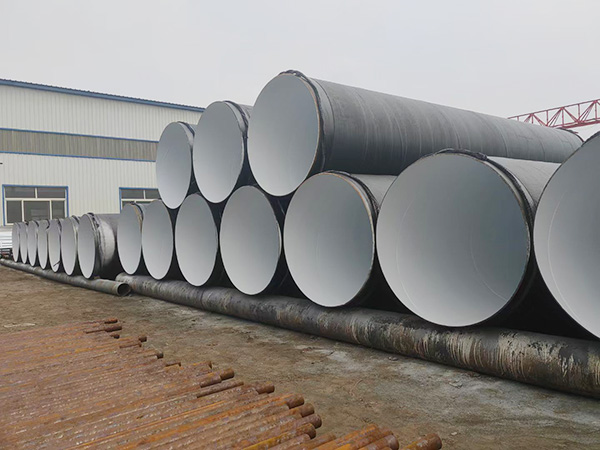
FBE Powder Coated Pipe for Underground Water Mains
Contact us
—— Contact:Manager
—— Tel:+86 18831780999
—— Email:960382820@qq.com
—— Url:https://www.jinyuanpipe.com
—— Address:Yanshan County Economic Development Zone, Cangzhou City, Hebei Province, China