

NewsDetails
How Long Can Steel Pipes Be and How Are They Shipped?
author:Jinyuan time:2026-11-07 11:48:44 Click:130
Short Answer
Steel pipe is commonly supplied in random lengths of 5.8 to 6.1 metres for single random, 11.8 to 12.2 metres for double random, and in fixed lengths cut to order. Larger diameters and lengths normally ship as break bulk or on flat racks, while smaller sizes ship in containers, and the choice is governed by the ship's gear, the port, the road route and the cost per tonne.
Standard Length Ranges
Single random length, roughly 5.8 to 6.1 metres, is the traditional size for general supply and fits standard containers and truck beds conveniently. Double random length, roughly 11.8 to 12.2 metres, is common for line pipe because it halves the number of girth welds per kilometre, which reduces both welding cost and the number of potential leak paths.
Fixed lengths are cut to the project requirement, and the tolerance on a fixed length is tighter than on a random length. Where a project specifies fixed lengths, the purchase order should state the tolerance and whether the length includes or excludes the bevel.
Why Length Matters on a Pipeline
Every additional metre reduces the number of field welds. On a large transmission project, moving from 6 metre to 12 metre pipe cuts the weld count nearly in half, which saves welding consumables, inspection cost and construction time. The trade-off is handling: longer pipe needs larger equipment, wider access roads and more careful lifting to avoid buckling.
Container Shipping
Small and medium diameter pipe can be shipped in 20 or 40 foot containers, either in bundles or as loose pipes loaded in layers. Container shipping is economical, offers protection from weather and handling, and simplifies documentation. The limitation is length: a 40 foot container accepts about 12 metres, and loading long pipe into a container requires care to avoid coating damage on the door frame.
Flat Racks and Open Top Containers
Flat racks allow over-length cargo and are loaded by crane, which suits large diameter pipe that cannot be handled inside a closed container. Lashing is critical, because the cargo is exposed and the securing arrangement must resist rolling and shifting during the voyage.
Break Bulk Shipping
Break bulk vessels carry pipe in the hold or on deck, loaded in bundles by ship's gear or shore crane. This is the normal method for large diameter line pipe and for volumes that justify a part or full charter. Bundle weight, lifting points and stack height are agreed in advance, and the stowage plan accounts for discharge port order so that cargo is not double handled.
Packing and Protection
Pipes are bundled with steel strapping at defined intervals, with timber separators between layers to prevent abrasion, and with end caps or end protectors to keep water and debris out of the bore. Coated pipe needs padding at every contact point, and bundle weight is limited by the crane capacity at both the loading and the discharge port.
Marking should include the purchase order, size, grade, heat number, bundle number and gross weight, so that the bundle can be identified without opening it.
Practical Advice for Buyers
Decide the shipping method before confirming the pipe length, because a length that is economical to produce may be expensive or impossible to deliver. Check the discharge port's crane capacity, the road route from port to site, and any bridge or tunnel restrictions. These constraints often decide the maximum length more than the mill's capability does.
Conclusion
Pipe length is a commercial and logistical decision as much as a technical one. Match the length to the welding plan, then confirm that the transport route can actually deliver it, and specify packing and marking so that the pipe arrives in the condition it left the mill.
References
[1] API Spec 5L: Specification for Line Pipe.
[2] ISO 3183:2019 Petroleum and natural gas industries – Steel pipe for pipeline transportation systems.
[3] ASME B36.10M: Welded and Seamless Wrought Steel Pipe.
[4] ASME B16.5: Pipe Flanges and Flanged Fittings, NPS 1/2 through NPS 24.
[5] ASME B16.9: Factory-Made Wrought Buttwelding Fittings.
[6] ISO 21809-1:2018 External coatings for buried or submerged pipelines – Polyolefin coatings (3PP and 3PE).
[7] EN 10204:2004 Metallic products – Types of inspection documents.
 Recommended Products
-
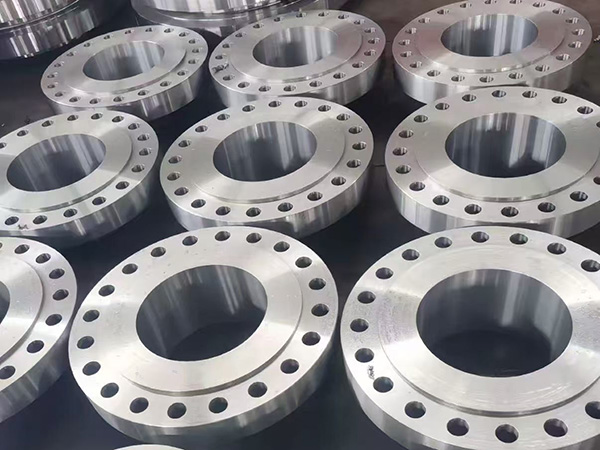
Carbon Steel Flanges for Pipe to Pipe Connections
-
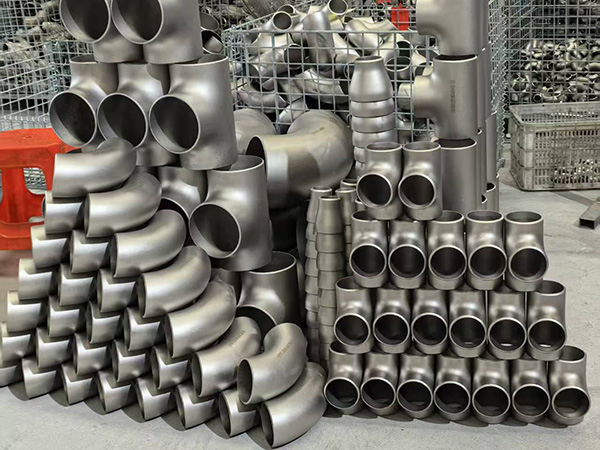
Carbon Steel Elbow in Bulk Supply for Plant Piping
-
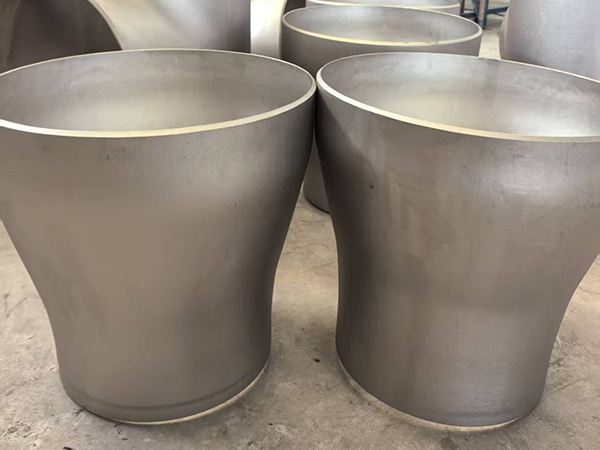
Large Diameter Concentric Reducer for Transmission
-
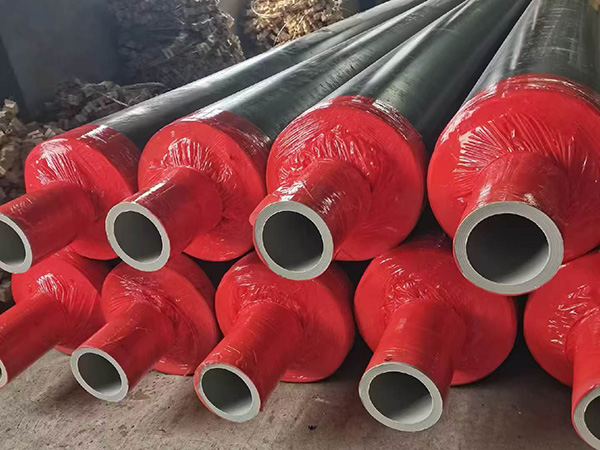
Polyurethane Foam Insulated Pipe with Protected Ends
-
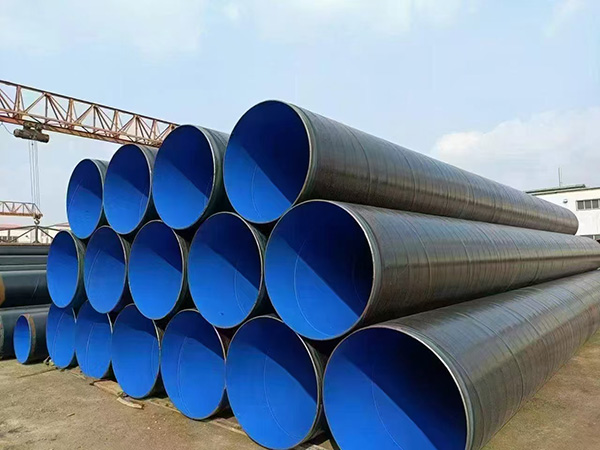
3PE Anti Corrosion Pipe with Internal Epoxy Lining
-
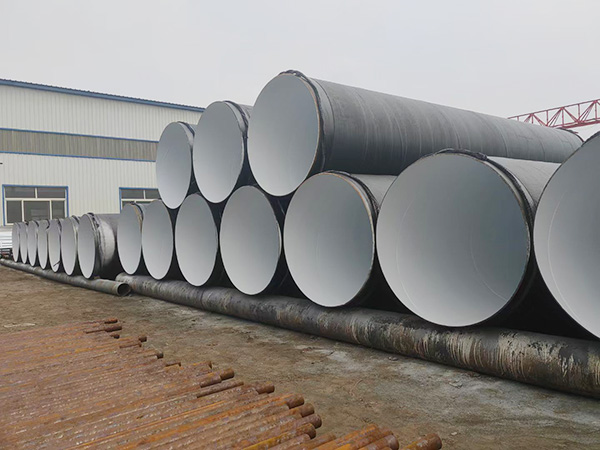
FBE Powder Coated Pipe for Underground Water Mains
Contact us
—— Contact:Manager
—— Tel:+86 18831780999
—— Email:960382820@qq.com
—— Url:https://www.jinyuanpipe.com
—— Address:Yanshan County Economic Development Zone, Cangzhou City, Hebei Province, China