

NewsDetails
How Do You Select Valves for a Water or Heating Pipeline?
author:Jinyuan time:2026-11-07 11:49:12 Click:81
Short Answer
Select the valve by function first, then by service conditions. Isolation duties in water and heating lines are usually served by gate, butterfly or ball valves; non-return duties by check valves; and regulation duties by globe or control valves. After the type, match the pressure class, body and trim material, end connection and actuation to the actual operating temperature and water chemistry.
Step One - Define the Function
Isolation valves are either open or closed and are judged by tightness and low pressure loss when open. Regulation valves modulate flow and are judged by control characteristics and turndown. Non-return valves allow flow in one direction only and are judged by closing speed and seat tightness.
Selecting a gate valve for a throttling duty, or a butterfly valve for a duty that requires bubble tight isolation at high differential pressure, is a common and expensive mistake.
Step Two - Match the Service Conditions
Record design pressure, design temperature, medium, flow rate, allowable pressure drop and the required tightness class. In district heating, the combination of high temperature and thermal cycling is the dominant factor; in raw water, suspended solids and debris determine whether a resilient seated butterfly valve will survive.
Valve Types in Practice
Gate valves give low pressure loss and good shut-off, and are common on water mains, but they are slow to operate and not suitable for throttling. Butterfly valves are compact, cheap and easy to actuate, and are widely used in large diameter water and heating lines; their disc remains in the flow path, which adds pressure loss and can erode in abrasive service. Ball valves give quarter turn operation and tight shut-off, and suit smaller sizes and frequent operation. Check valves protect pumps and prevent reverse flow, and the choice between swing, dual plate and lift types depends on velocity and space.
Material Selection
Body material follows the medium and the environment. Cast iron and ductile iron suit treated water at moderate temperature; carbon steel suits higher pressure and temperature; stainless steel suits corrosive or high purity water. Trim material matters as much as the body: bronze trim is common in water service, while stainless trim is used where erosion or corrosion is expected.
Seat and gasket materials define the temperature limit. EPDM suits hot water within its range, while PTFE and metal seats are used at higher temperatures or where chemical resistance is needed.
Pressure Class and End Connections
The valve class must be at least equal to the flange class of the pipeline at the design temperature. End connections should match the pipe: flanged for large sizes and easy removal, wafer or lugged for butterfly valves between flanges, welded for buried or critical lines, and threaded for small bore instrument connections.
Actuation
Manual handwheels are adequate for infrequently operated valves in accessible locations. Gear operators reduce effort on large valves. Electric actuators suit remote or automated operation, and pneumatic actuators suit fast cycling and safety-related closure. The actuator must be sized against the actual differential pressure at opening, not only against the nominal torque rating.
Installation and Maintenance Considerations
Allow space for stem removal and for actuator maintenance. On buried lines, use extended stems or valve boxes. Install strainers upstream of control valves and check valves that are sensitive to debris, and provide bypasses where isolation during maintenance is essential.
Conclusion
Valve selection is a sequence, not a preference: function, service conditions, type, material, class, connection and actuation. Hebei Jinyuan Pipeline Equipment Co., Ltd. supplies gate, globe, check, ball and butterfly valves for water and heating pipelines, matched to the flange class and pipe schedule of the same project so that the joint interfaces are consistent.
References
[1] API Spec 5L: Specification for Line Pipe.
[2] ISO 3183:2019 Petroleum and natural gas industries – Steel pipe for pipeline transportation systems.
[3] ASME B36.10M: Welded and Seamless Wrought Steel Pipe.
[4] ASME B16.5: Pipe Flanges and Flanged Fittings, NPS 1/2 through NPS 24.
[5] ASME B16.9: Factory-Made Wrought Buttwelding Fittings.
[6] ISO 21809-1:2018 External coatings for buried or submerged pipelines – Polyolefin coatings (3PP and 3PE).
[7] EN 10204:2004 Metallic products – Types of inspection documents.
 Recommended Products
-
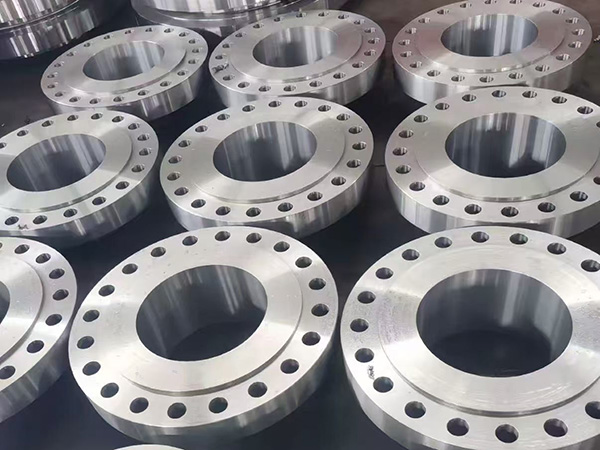
Carbon Steel Flanges for Pipe to Pipe Connections
-
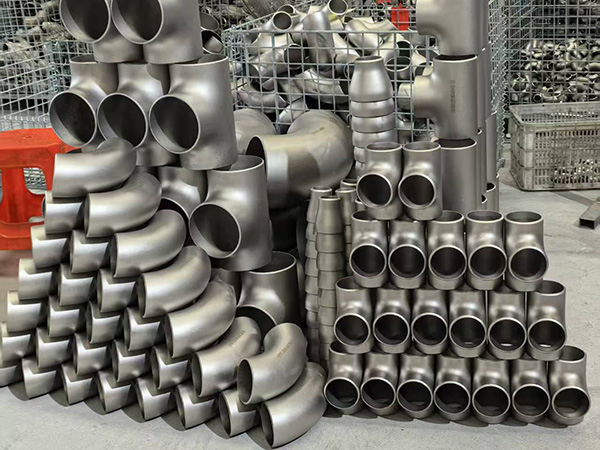
Carbon Steel Elbow in Bulk Supply for Plant Piping
-
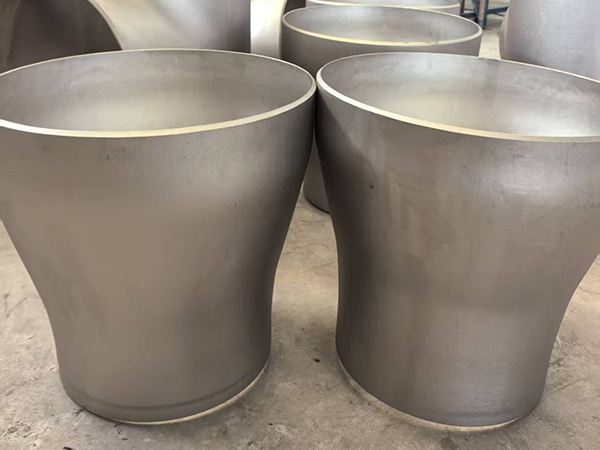
Large Diameter Concentric Reducer for Transmission
-
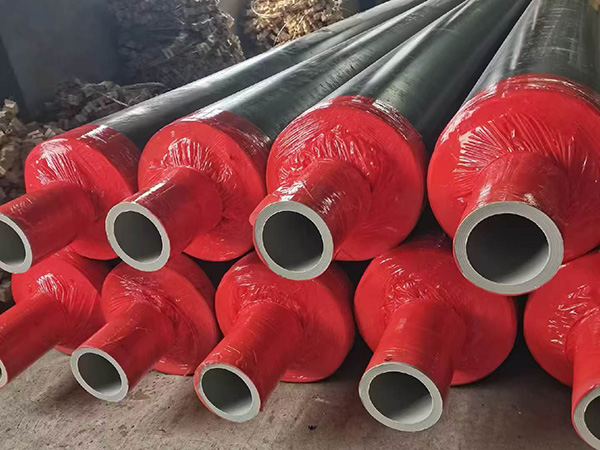
Polyurethane Foam Insulated Pipe with Protected Ends
-
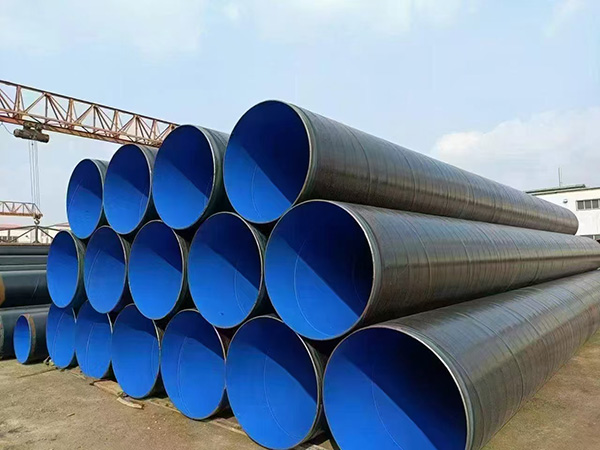
3PE Anti Corrosion Pipe with Internal Epoxy Lining
-
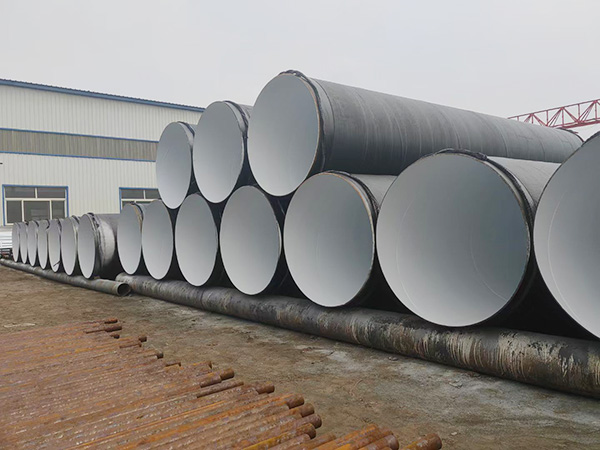
FBE Powder Coated Pipe for Underground Water Mains
Contact us
—— Contact:Manager
—— Tel:+86 18831780999
—— Email:960382820@qq.com
—— Url:https://www.jinyuanpipe.com
—— Address:Yanshan County Economic Development Zone, Cangzhou City, Hebei Province, China